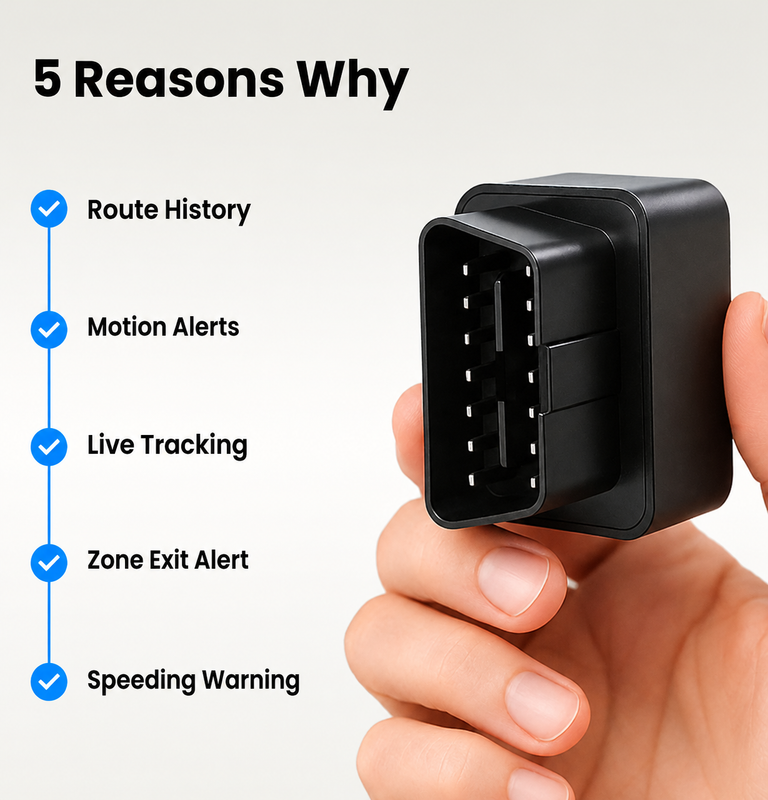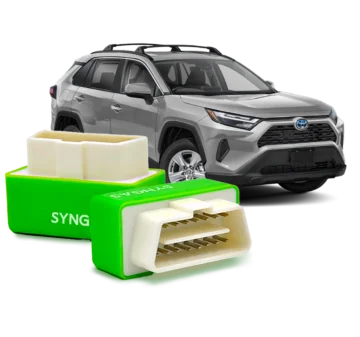
SynGas OBD2 plug-in device

SynGas: A Mechanic's Technical Criticism, Explained Plainly

The OBD2 port is a diagnostic read port — not designed to let a plug-in device rewrite ECU fuel delivery. Here's why that matters for the '55% fuel savings' claim.

OBD2 Plug-In 150-Mile 'Learning' Period No Lab Verification Found
Shop Now
A Real Technical Objection

“Up to 55% fuel savings.” No independent lab has confirmed it.

A real automotive technician reviewing this product publicly compared it to older magnetic fuel-line devices that were eventually investigated and banned for making unsupportable claims. The OBD2 port is designed as a diagnostic read port, not a way for a small aftermarket device to rewrite how a factory ECU manages fuel delivery. No EPA or independent laboratory certification for SynGas's fuel-savings figures has been published as of this writing.

See the technical breakdown
What's Claimed vs. What's Verified

Five things worth knowing before you buy

01/05

Plugs Into OBD2 Port

No tools required — genuinely simple installation, this part of the description is accurate.

02/05

150-Mile 'Learning' Period

The brand states the device needs roughly 150 miles before any claimed effect would be noticeable — a real, specific claim you can hold it to.

03/05

Up to 55% Fuel Savings Claimed

This is the brand's positioned maximum, not a guaranteed result, and we could not locate independent lab verification for this figure.

04/05

Up to 35% Power/Torque Claimed

A second brand-stated maximum, also without independent verification we could find.

05/05

Mechanistically Questioned by a Technician

A real automotive technician's public review compared this product category to devices previously investigated and banned for unsupportable claims — worth weighing before you buy.

Weighing this fairly?

Real technical skepticism, unverified savings figures — see current pricing if you still want to proceed.

Check Current Price
Why the OBD2 Mechanism Is in Question

A real, technical explanation, not just doubt

The OBD2 port exists so mechanics and diagnostic tools can read error codes and sensor data from your vehicle's computer — it's fundamentally a read-focused diagnostic connector. A small aftermarket plug-in device meaningfully rewriting how the factory ECU manages fuel delivery is a significant technical claim that a diagnostic port wasn't designed to support.

This isn't just our skepticism — a real automotive technician publicly reviewing this product drew a direct comparison to older magnetic fuel-line devices, a product category that was eventually investigated and banned in some jurisdictions for making similar unsupportable claims.

What We Could and Couldn't Verify

Separating brand claims from independent confirmation

Assessments online are mixed, and some of the more favorable-sounding reviews read like paid placements rather than independent testing. The more clearly independent sources we found, including the technician's review mentioned above, were sharply critical and described no plausible mechanism for the claimed results. We'd treat 'up to 55% fuel savings' as a claim that hasn't been independently verified.

0
Claimed Max Fuel Savings
0
Claimed Max Power Increase
0
Miles Before 'Learning' Complete
0
List Price
Questions

Everything you need to decide, right here

No pressure, no fine print you have to hunt for. The answers below are the ones that actually matter before you order.

Does SynGas actually save fuel?+

There's real reason for skepticism here, and it's worth explaining why. The OBD2 port is designed as a diagnostic read port — the same connector mechanics use to pull error codes and sensor data. It is not designed to let a small aftermarket plug-in device rewrite how a factory ECU manages fuel delivery. A real automotive technician reviewing this product publicly compared it to older magnetic fuel-line devices that were eventually investigated and banned for making unsupportable claims. No EPA or independent laboratory certification for SynGas's fuel-savings figures has been published as of this writing.

Is SynGas a scam?+

Assessments are mixed, and some of the more favorable-sounding reviews online read like paid placements rather than independent testing. The more clearly independent sources we found, including a longtime automotive technician's review, were sharply critical and described it as having no plausible mechanism for the claimed results. We'd treat 'up to 55% fuel savings' from a small OBD2 plug-in device as a claim that hasn't been independently verified.

How is it installed?+

It plugs directly into your vehicle's OBD2 port, no tools required. The brand states a roughly 150-mile 'learning' period before any claimed effect would be noticeable.

What claims does the brand make?+

The brand markets SynGas as reducing fuel consumption by up to 55% and improving engine power and torque by up to 35%. These are the brand's positioned maximums, not guaranteed results, and we could not locate independent lab verification for either figure.

Read this before ordering: A real automotive technician's technical review found no plausible mechanism for the claimed results, comparing this category to previously banned fuel-line devices. No independent lab verification for the fuel-savings claims was found.

Proceed With Documented Caution

You've seen the technical concerns. The decision is yours.

OBD2 plug-in device, no tools required for installation.

SynGas
$24.85
Price as listed at the official store — verify at checkout
Check Current Price
OBD2 Plug-In150-Mile 'Learning' PeriodNo Lab Verification Found
Also From The Catalog

More honestly-reviewed picks